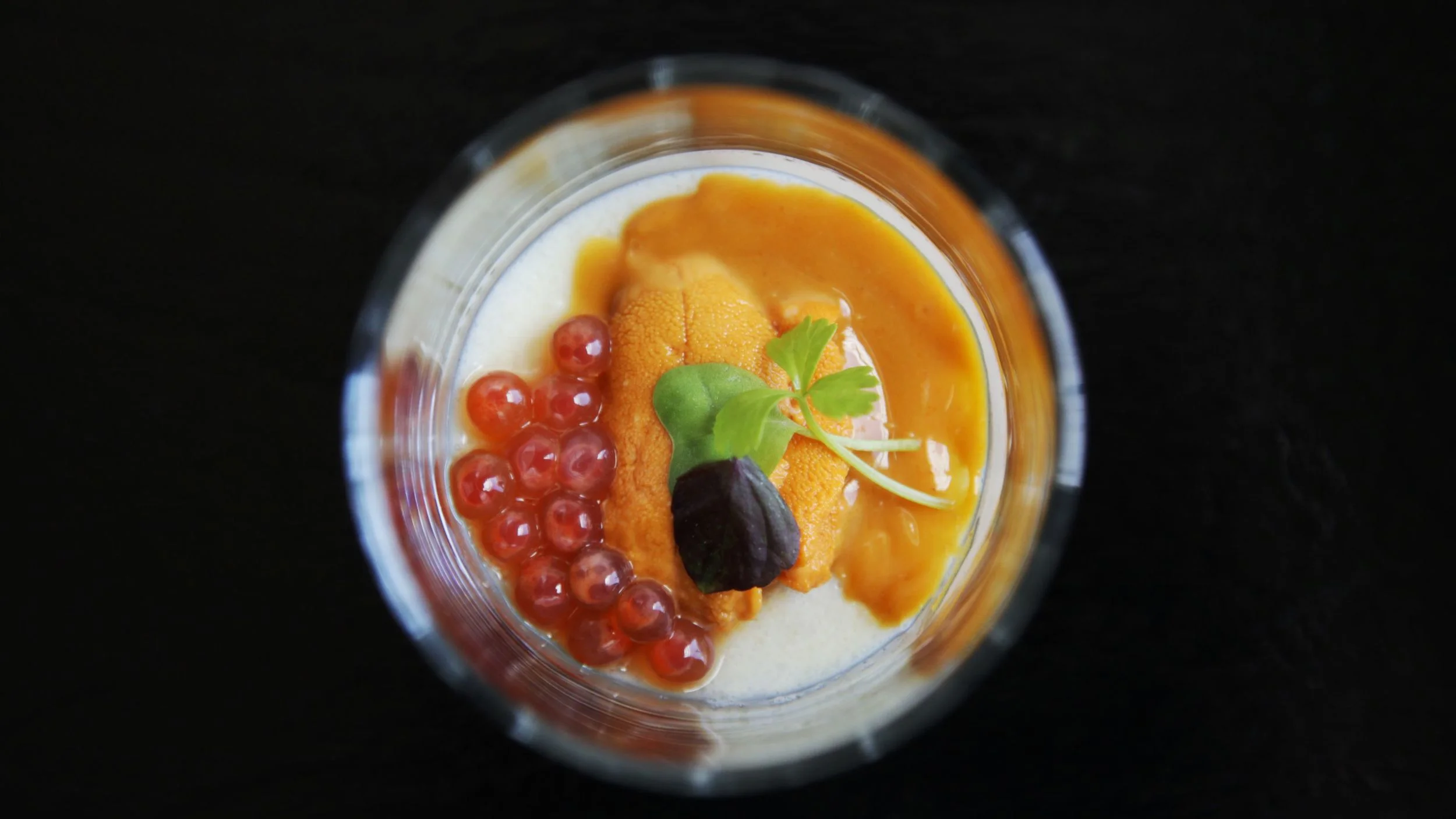
Here's Niki Nakayama, chef-owner of LA kaiseki restaurant n/naka, plating a selection of poetic dishes from her 13-course tasting menu and intimately explaining what kaiseki means to her
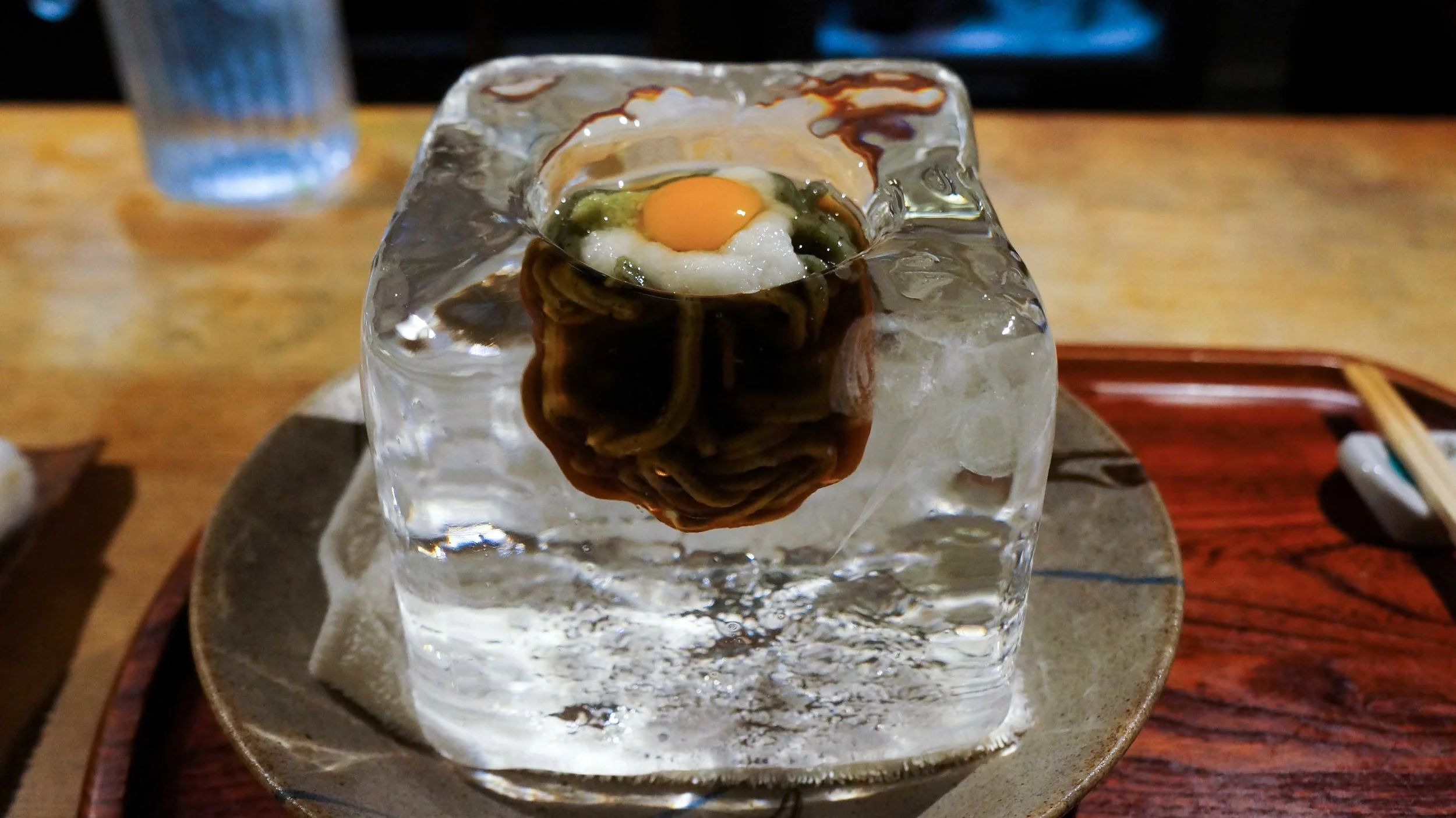
I learned something fundamental about traveling after my experience at Tempura Matsu, and that is, if you're completely dependent on guidebooks or travel sites, you'll miss out on so much.

Rokurinsha's tsukemen is probably the most popular in Tokyo right now. If you've never tried tsukemen, it's a dipping ramen.
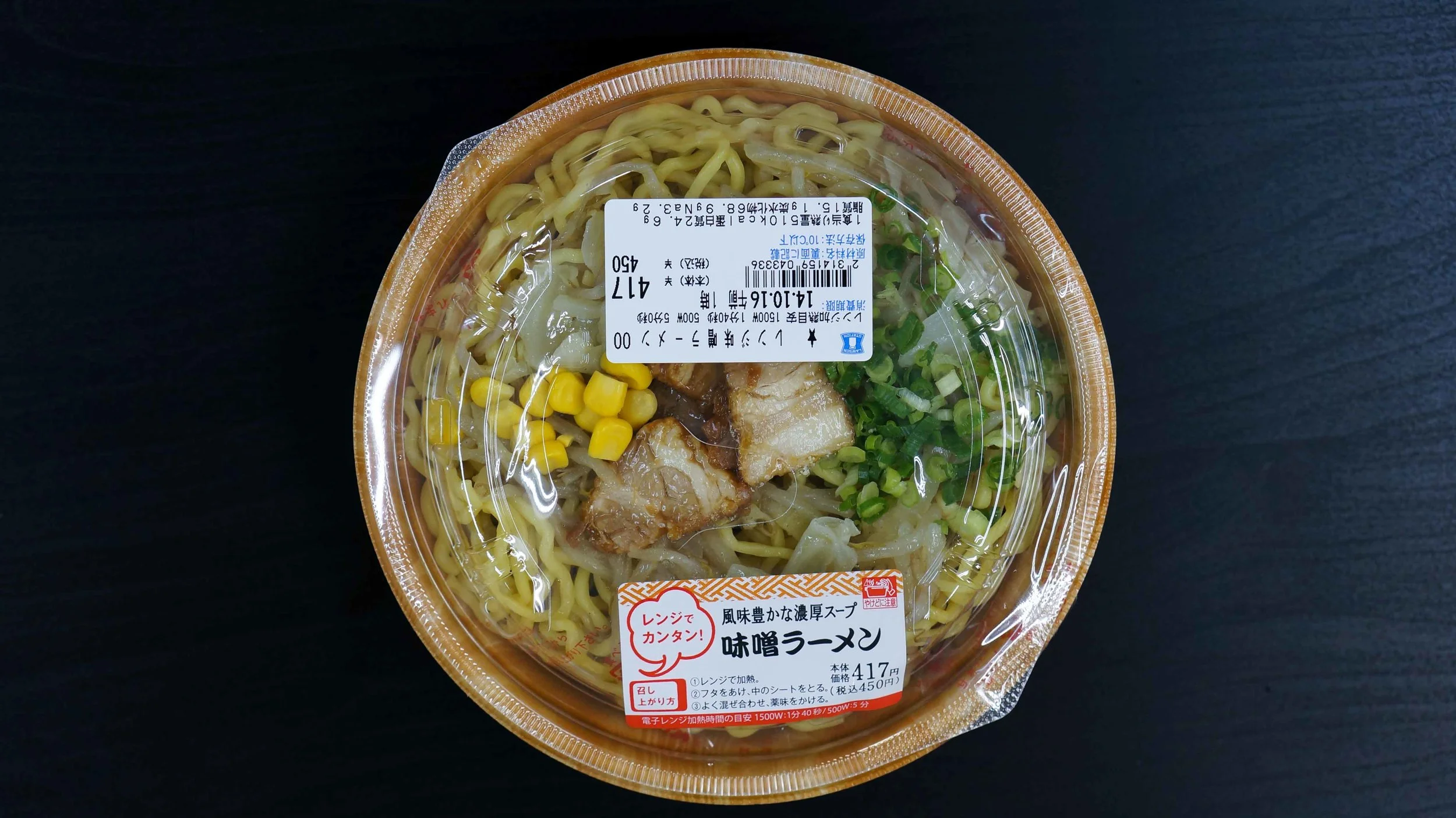
My sister and I didn't get to our AirBnB until 3 AM--we were starving. The only place open was a 7-11 down the street.
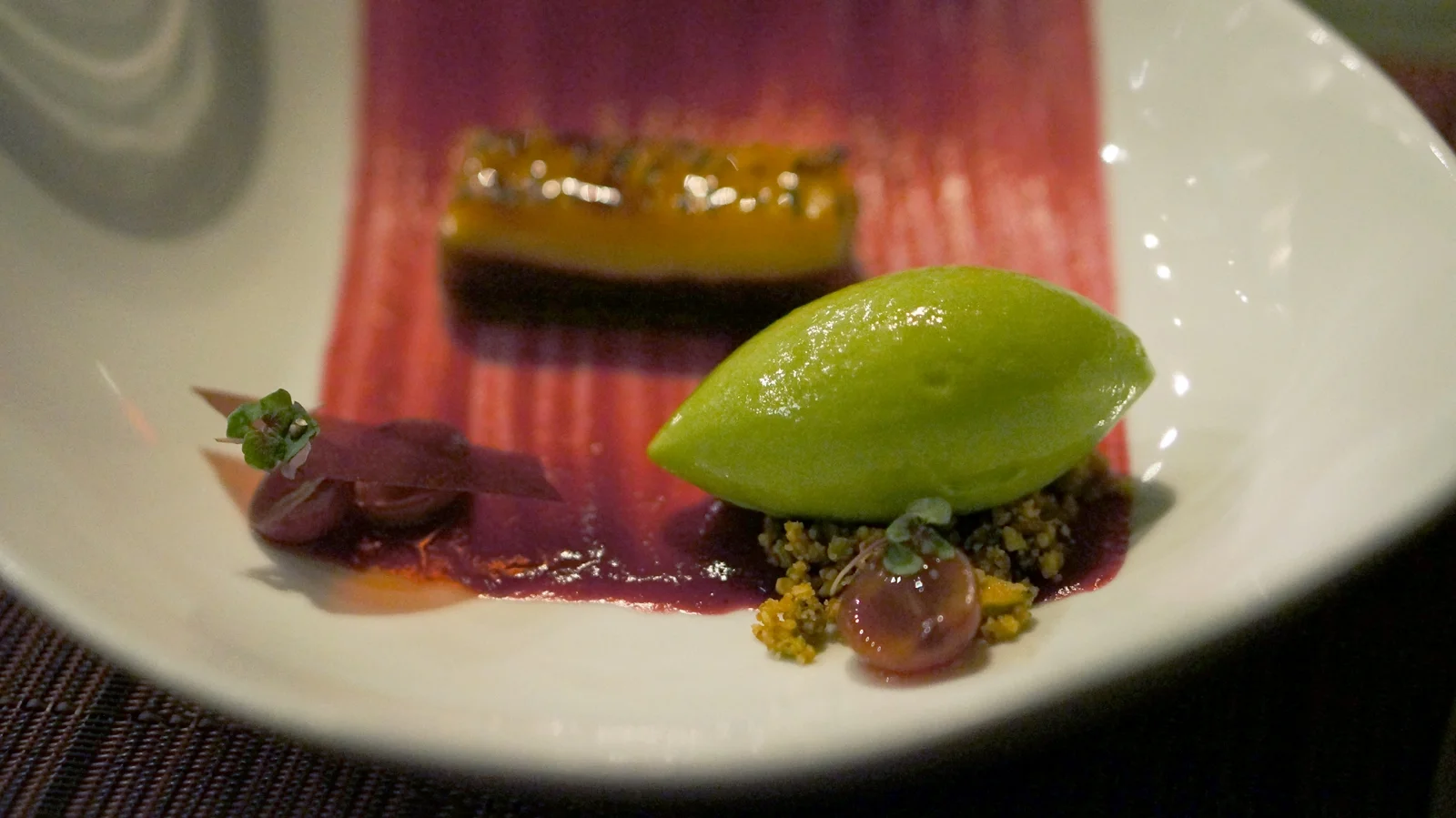
This was my second time here. It's closed down now, which is a shame, but I'm glad got to try it twice before it went away.
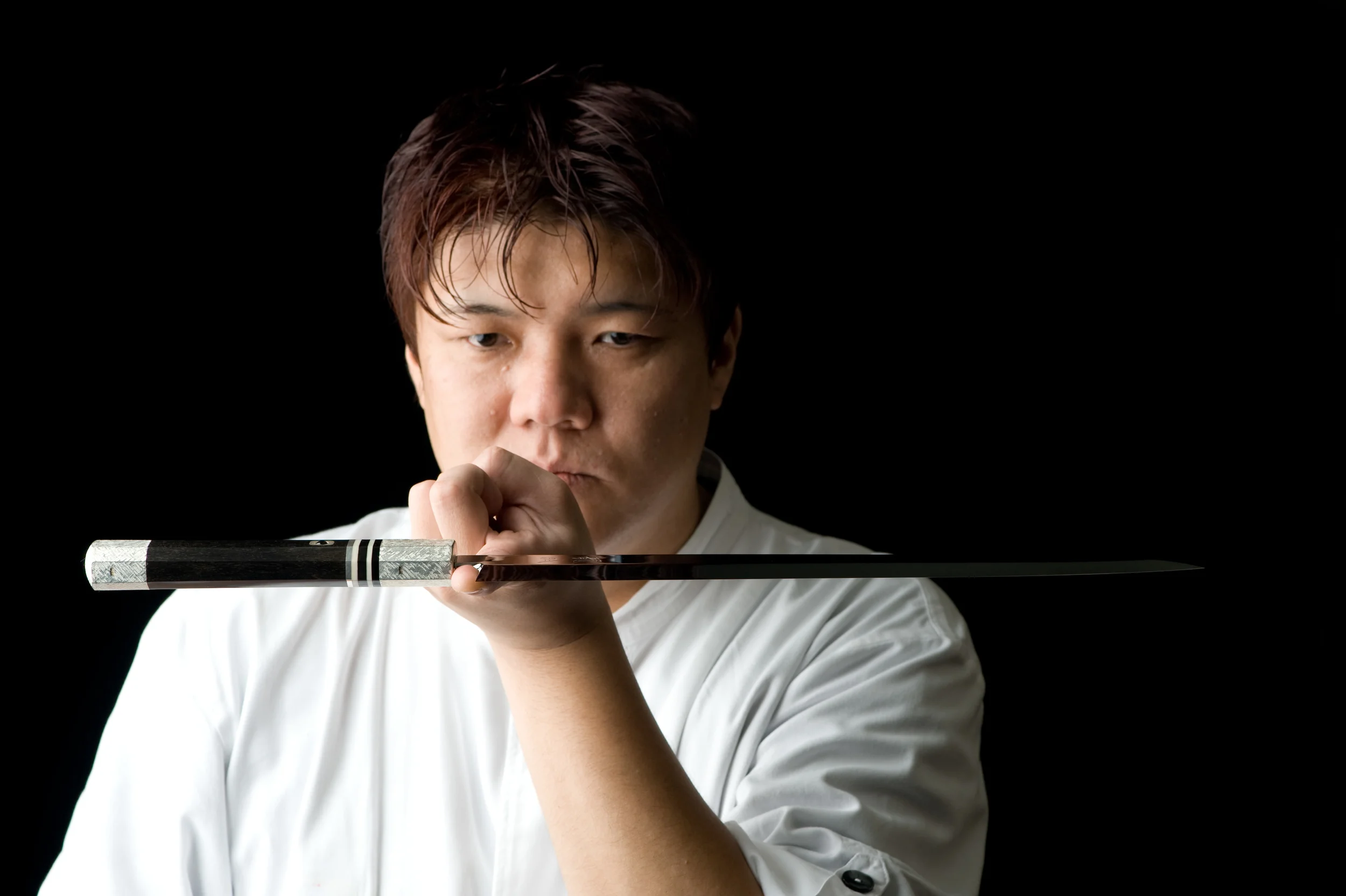
Nihonryori RyuGin, No. 33 on the San Pellogrino World's 50 Best Restaurants list, is headed by bad ass kaiseki chef Seiji Yamamoto.
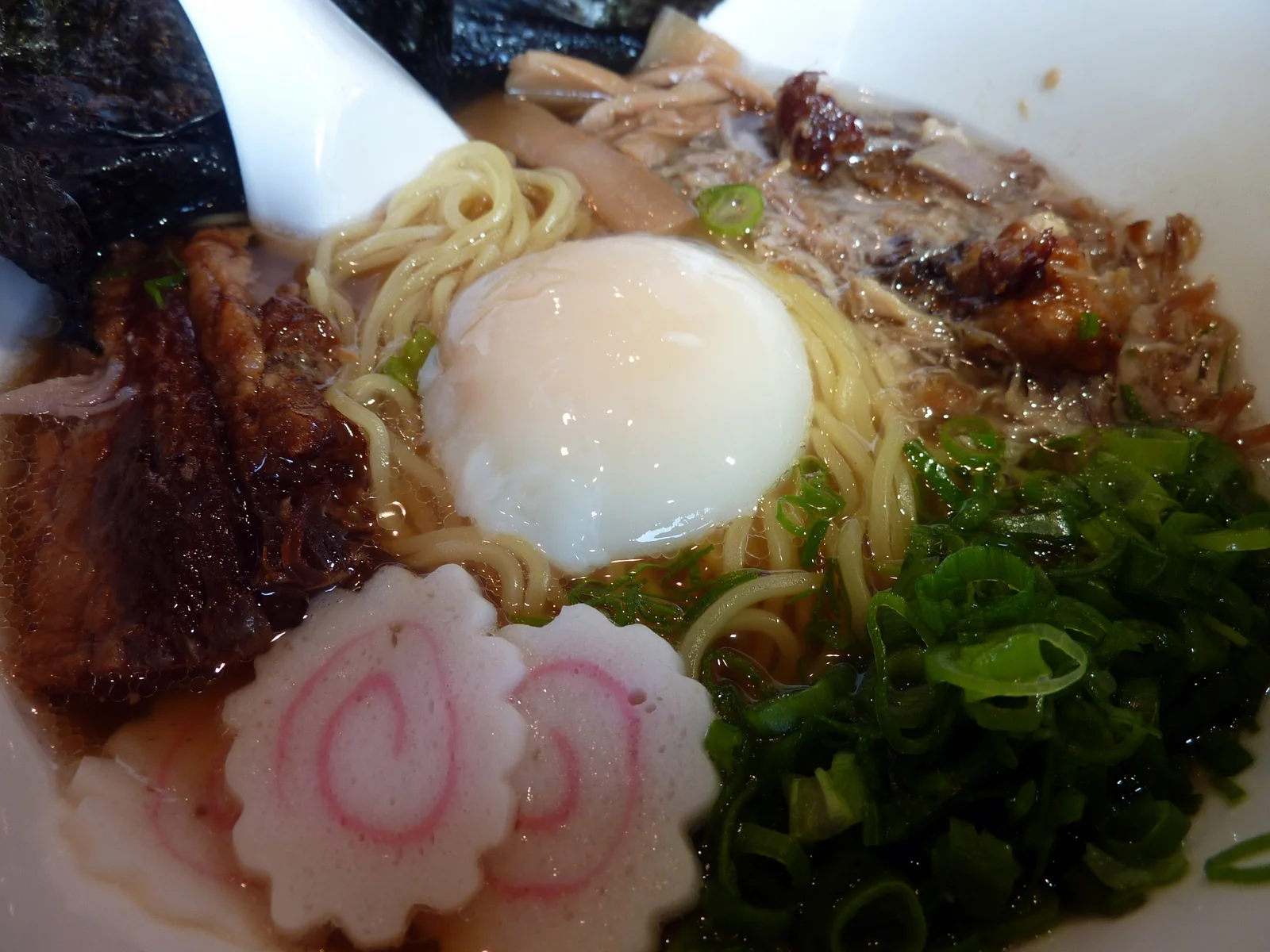
I really respect David Chang, and the Momofuku brand, or more appropriately--empire--that he's built. His cookbook is one of the most approachable I've read, and is accessible to anyone even remotely interested in eating.
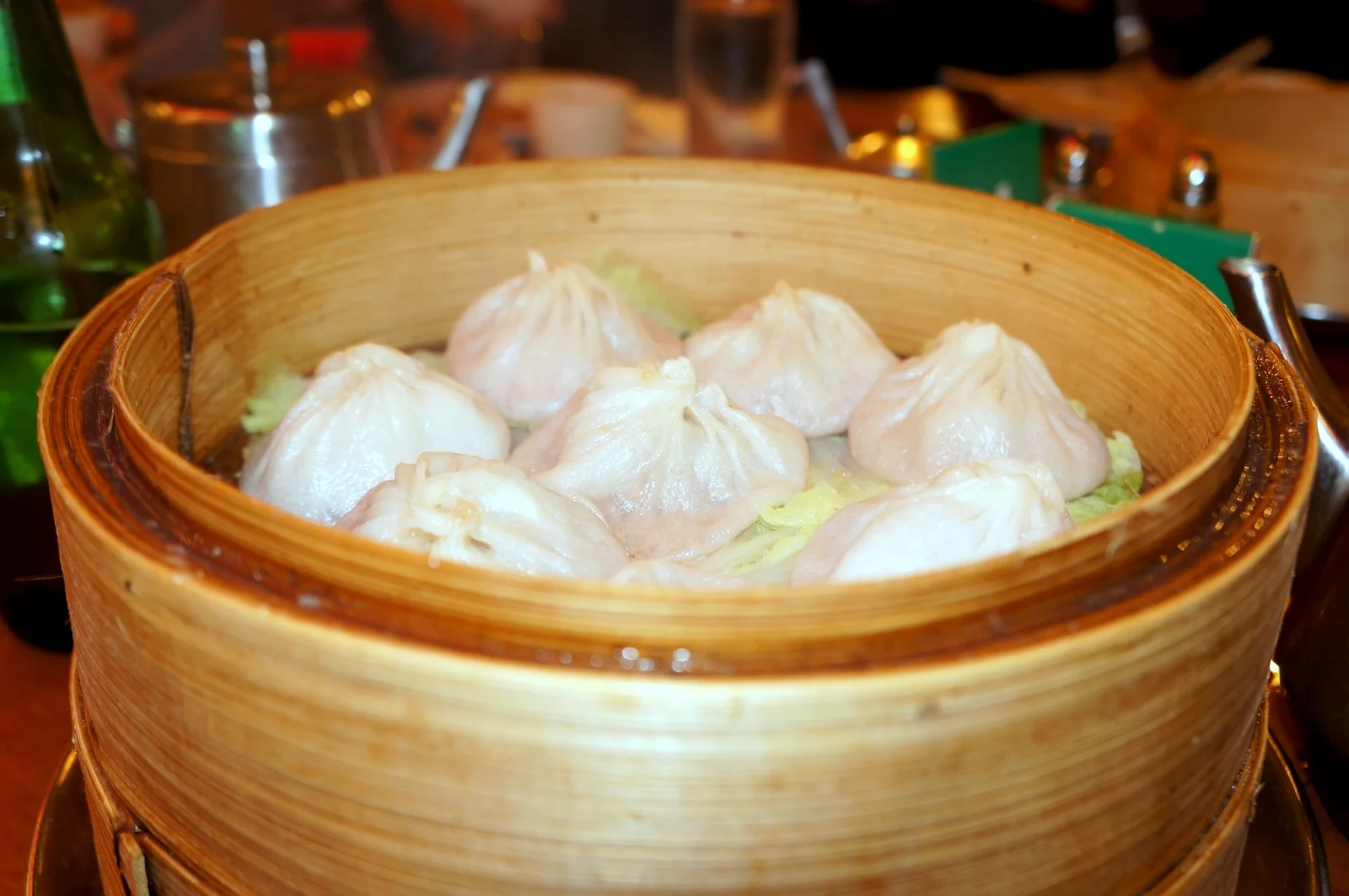
Joe's Shanghai was good! Not as good as Din Tai Fung, or Mei in Montreal (which is my favorite), but it's up there.
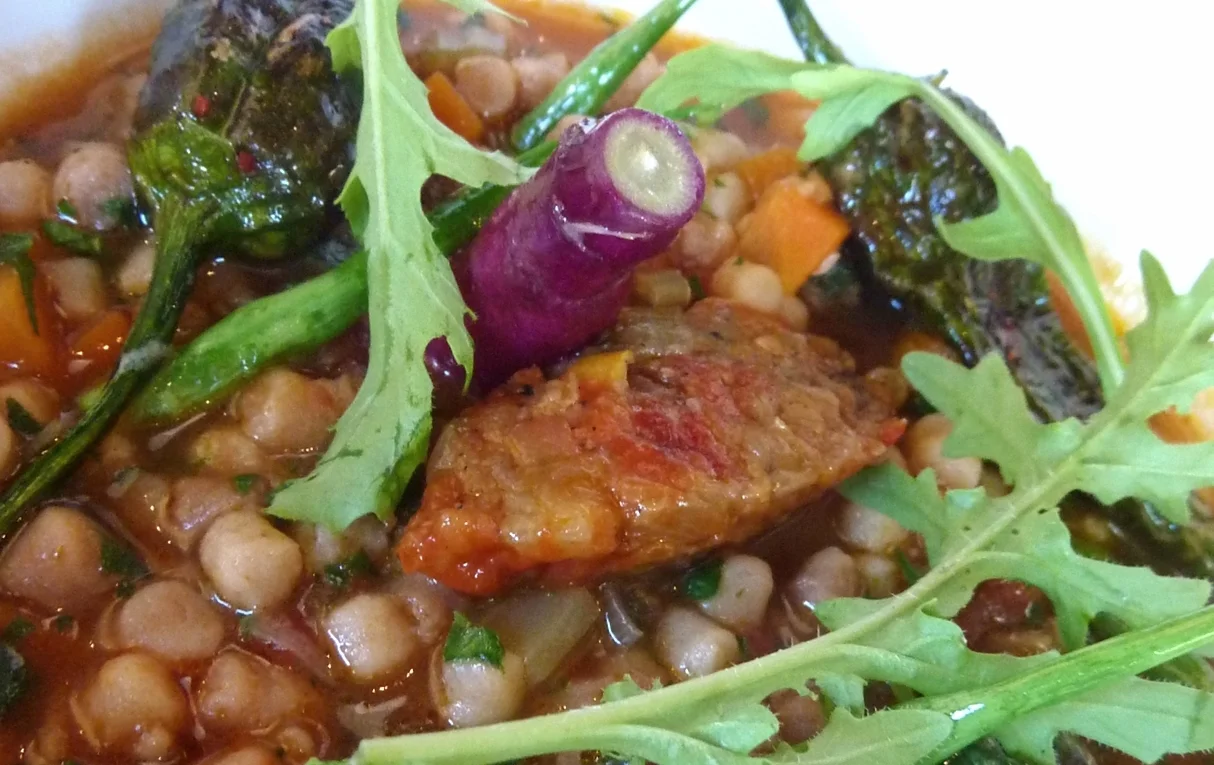
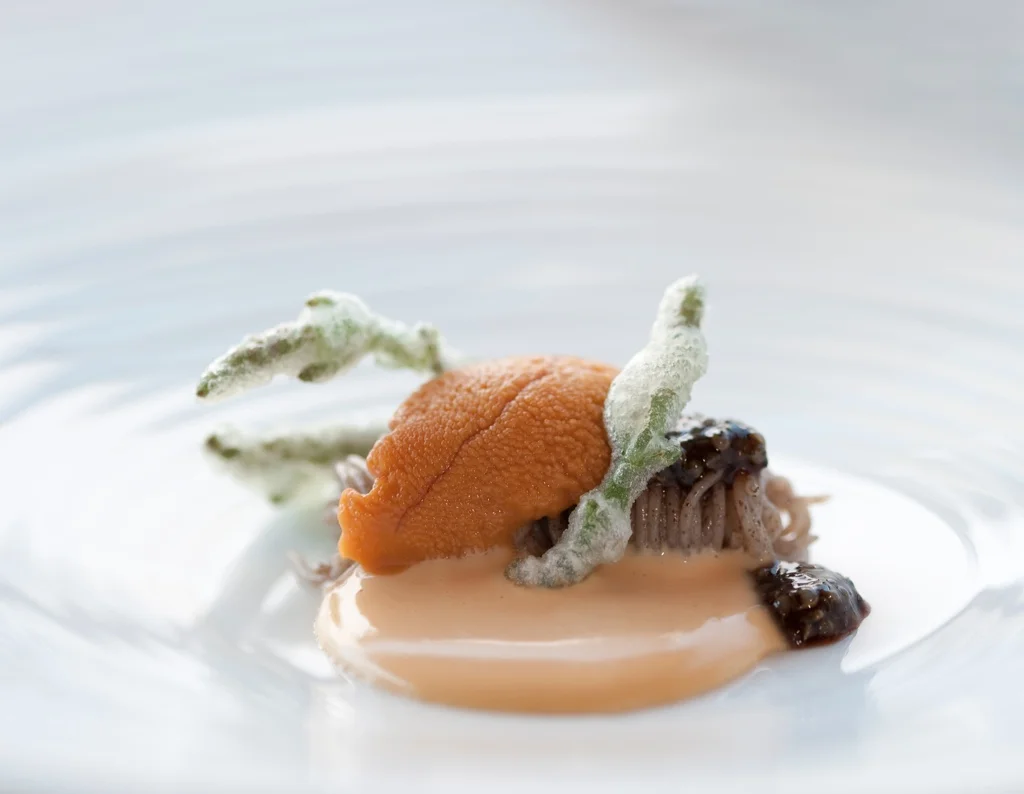
When I heard the Chef de Cuisine of French Laundry, Corey Lee, left to open up his own restaurant in San Francisco, I was really excited. I think we all were; us cooks in the Bay Area, at least.
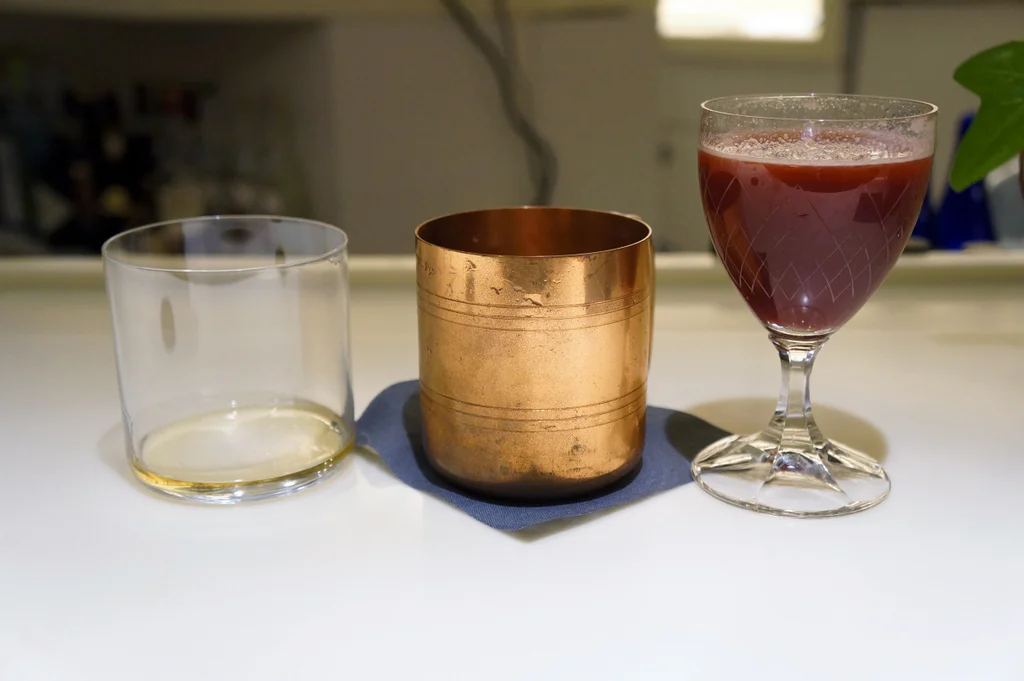
While the bar was preparing our drinks, we were served the dessert course, which was an assault on all the senses. Each one consisting of only one or two bites.
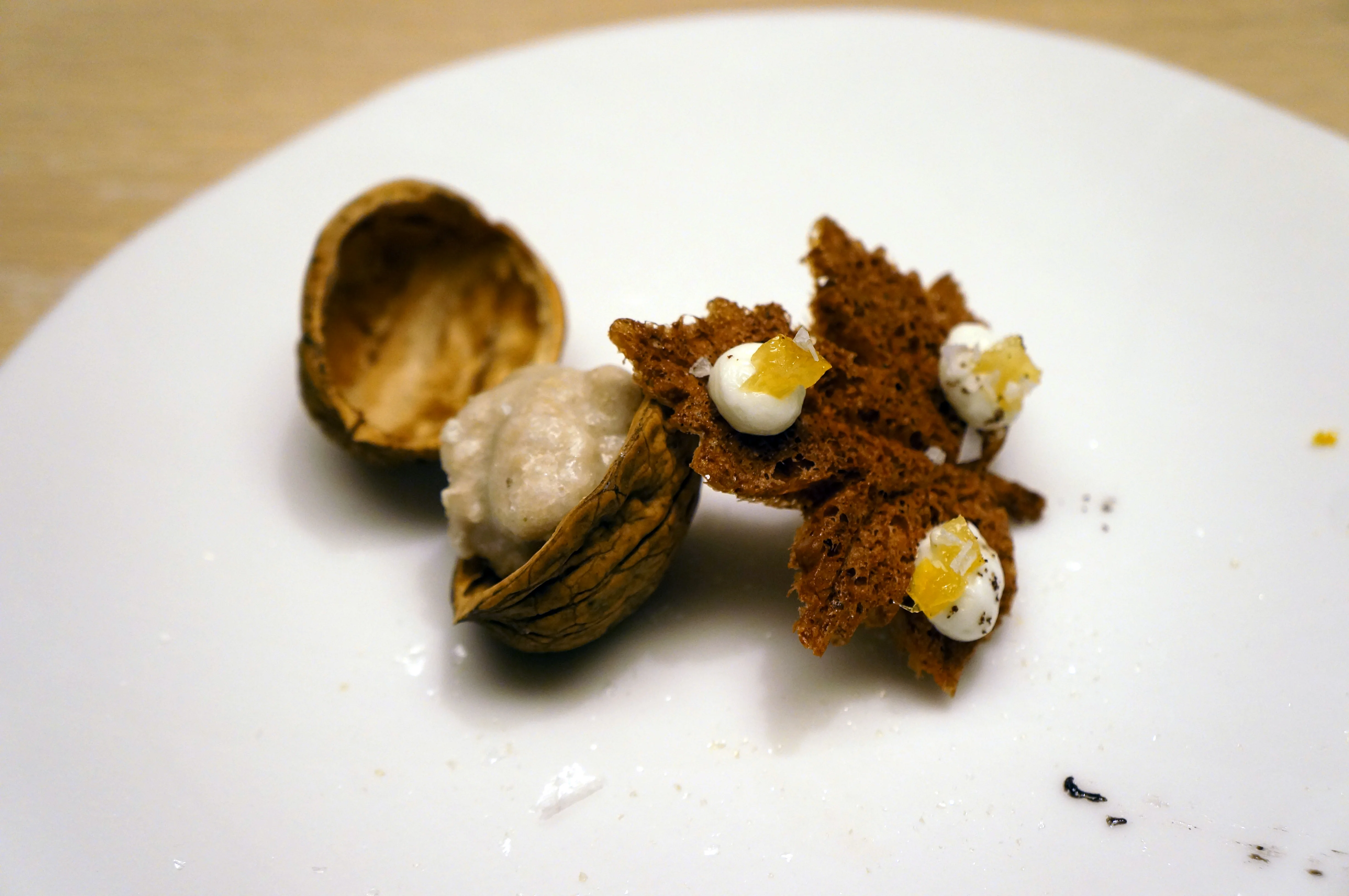
Minibar is absolutely the best dining experience I have ever had--easy. Both food and drink were unparalleled.
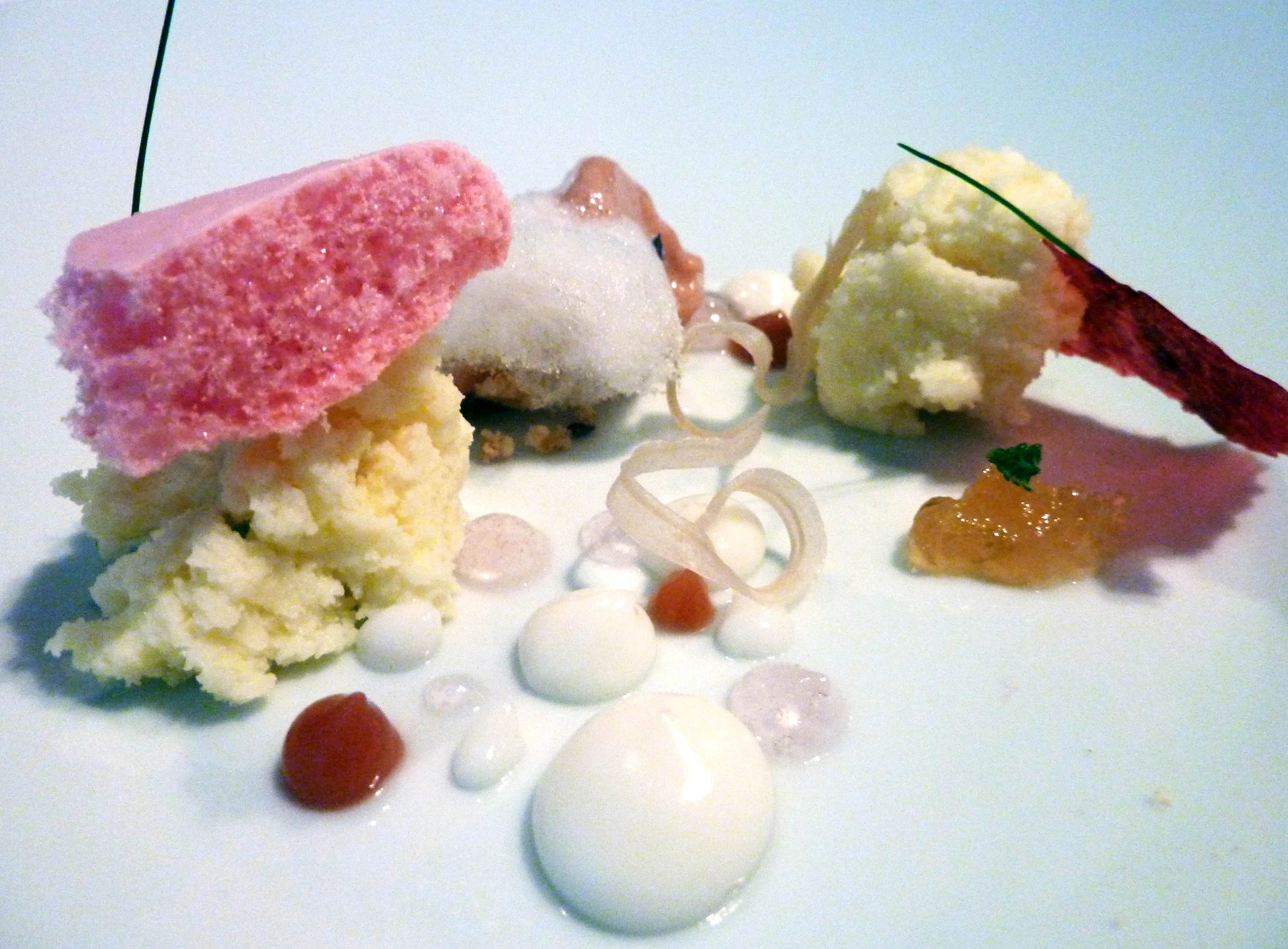
The second wave of courses was the desserts, some of the most whimsical culinary imaginings, plated and edible. If Willy Wonka was a pastry chef, he would have worked at Alinea.
MORE...
GALLERIES


The noodles are thick and very firm. I usually don't like eggs wih my ramen, but this was very well seasoned.


When you're done with the tsukemen, they pour a light, unseasoned stock into your sauce to thin it out, along with a dusting of yuzu powder.


Little bites of high quality beef jerky. It was very clean-tasting, and not very greasy.


These were my favorite chips while I was in Japan. I think the '3' indicates 3x the seaweed flavor.


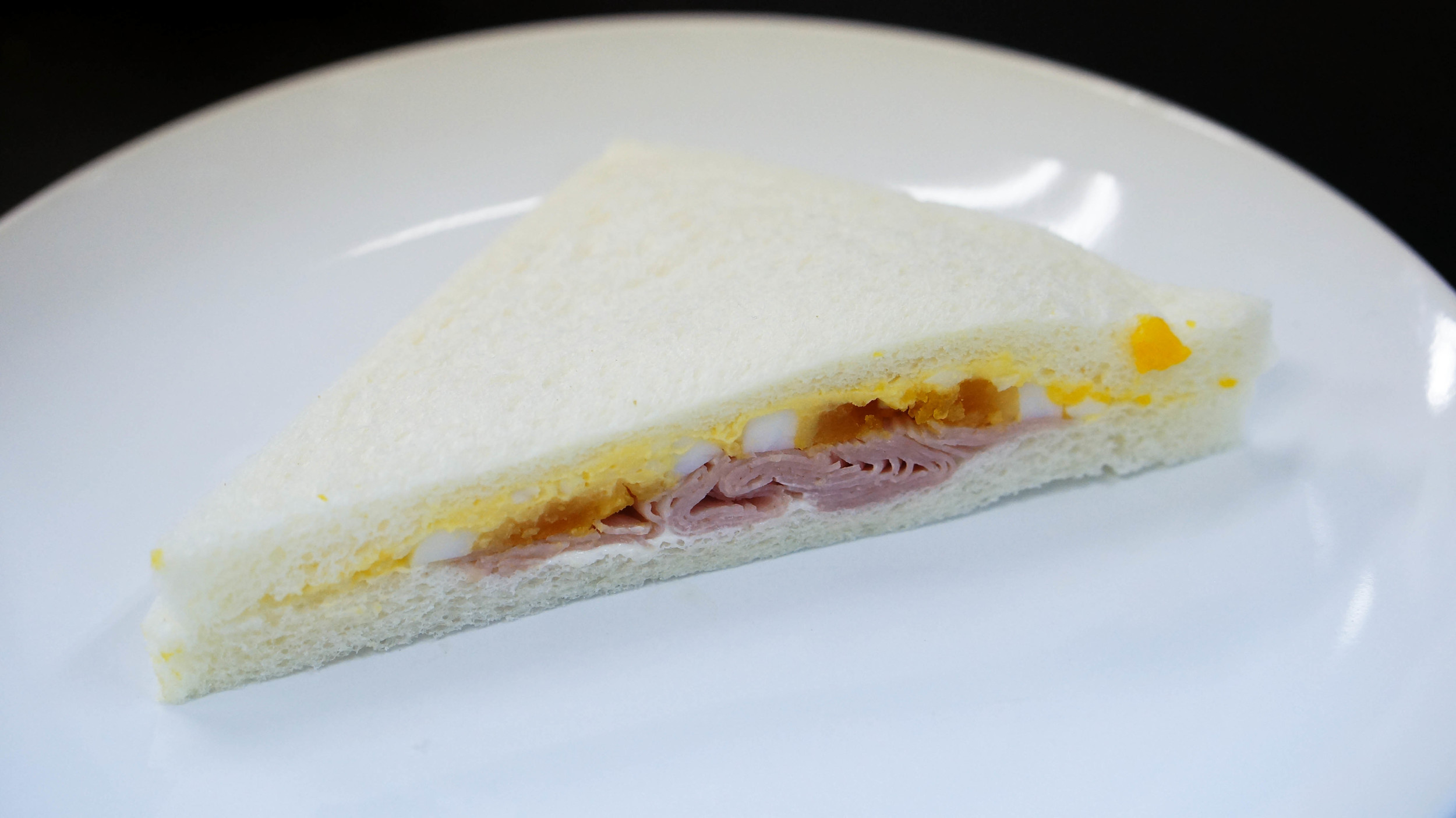
Their sandwiches are perfect little morsels that help sustain you through your day. The bread is dense but soft. The eggs are perfectly cooked. I can eat a dozen of these.


Ingenious packaging. The collagen-rich soup naturally congeals so that the fresh noodles can sit right on top without mixing until it is microwaved.


As good as my mom's best bao. The 'Premium' does taste better than the regular baos. I'm not sure why.

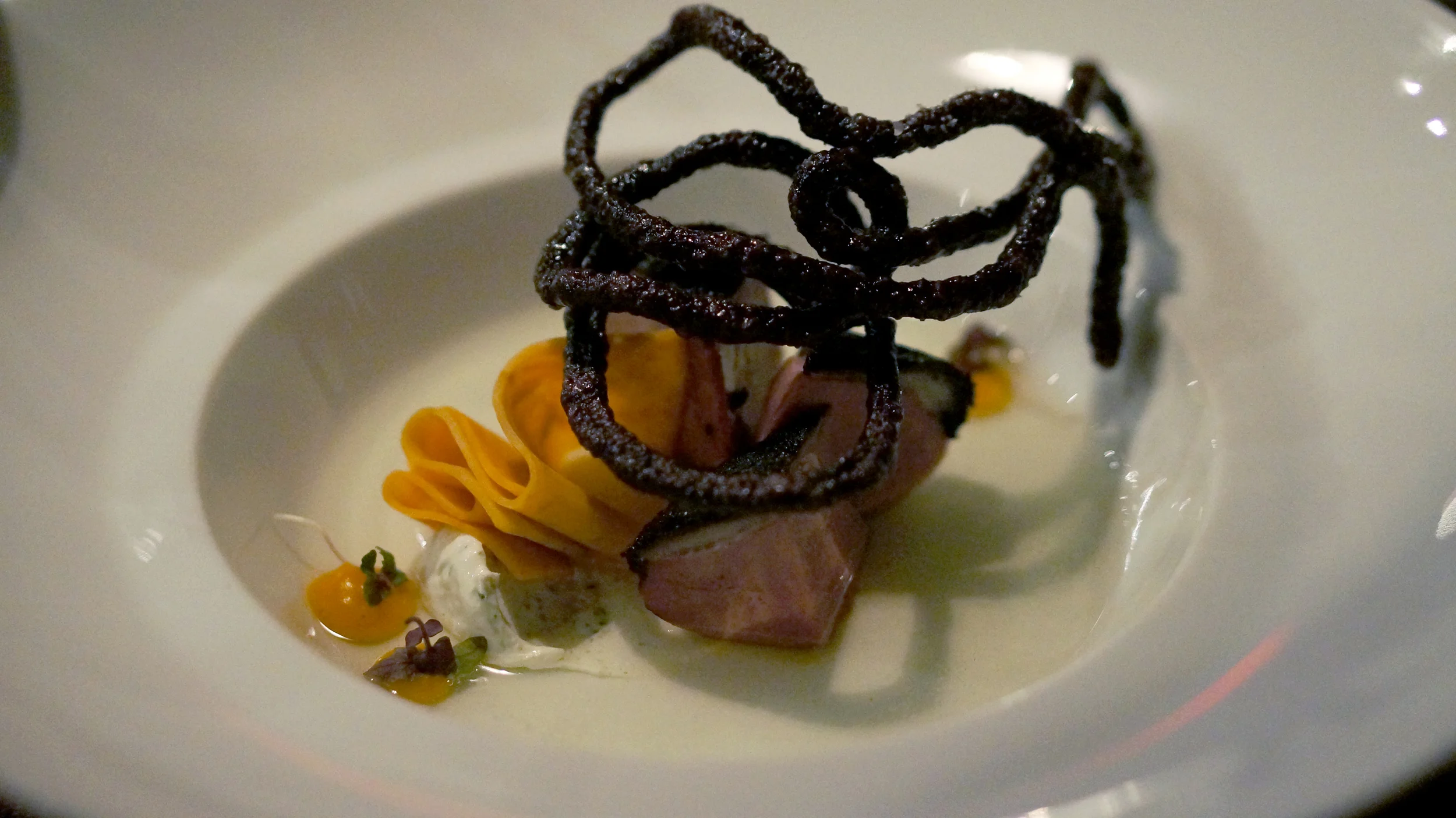
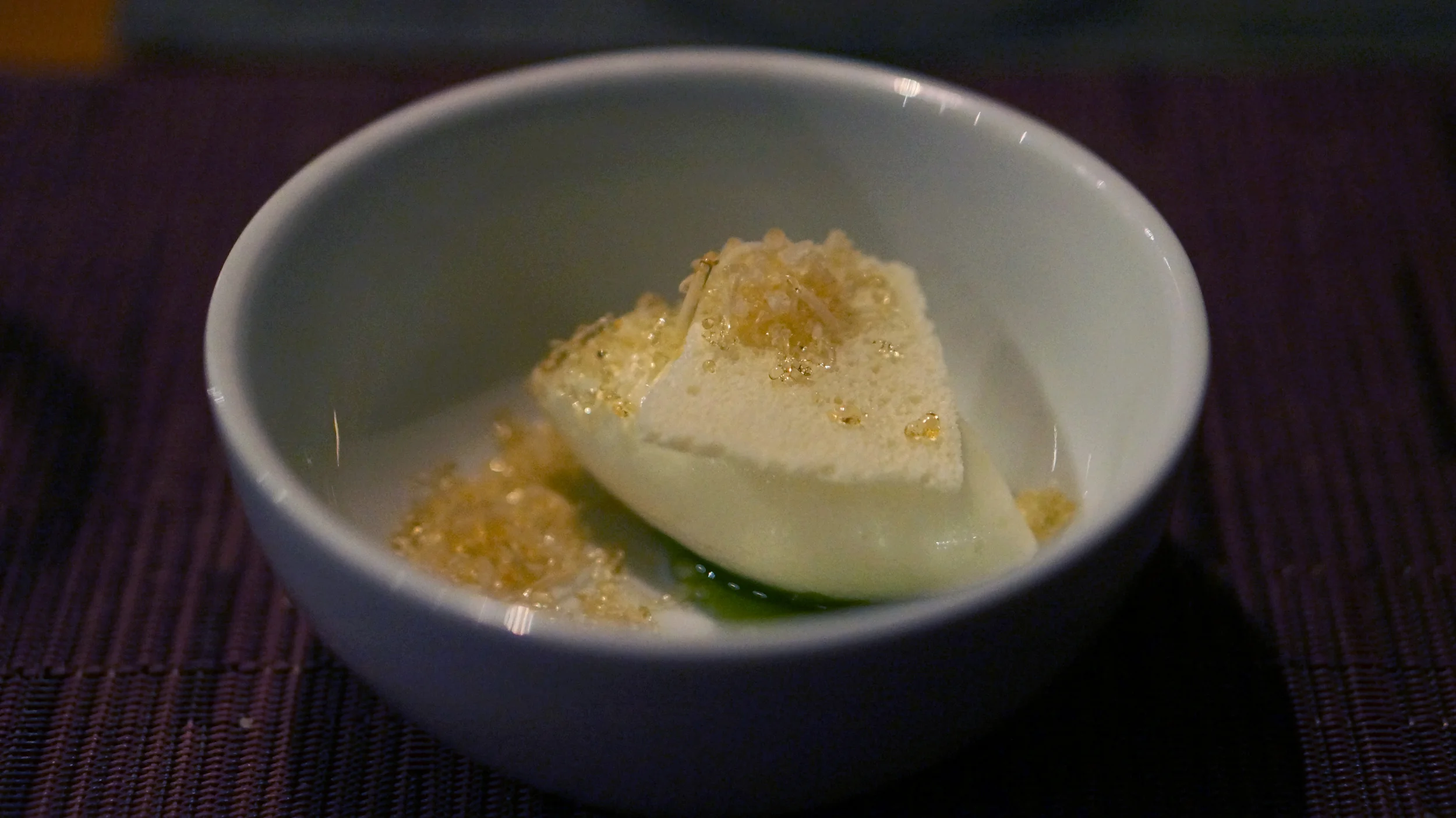
HOME-COOKED
I cook and eat with my mom whenever I get the chance. Sometimes the meal will be very traditional, sometimes it'll be bizarre, but most often times it will be both. Either way, you won't easily find this in any restaurant.

Pho is actually really simple to make, but I wanted to breakdown what I've learned from my mom, and many iterations of trying to replicate her version. I wouldn't say this recipe is traditional or authentic. I'd just say it's good. Having eaten pho a dozen times and a dozen different ways, all over Vietnam, I can only say there are good and bad preparations of this dish, but no official one that rules them all.
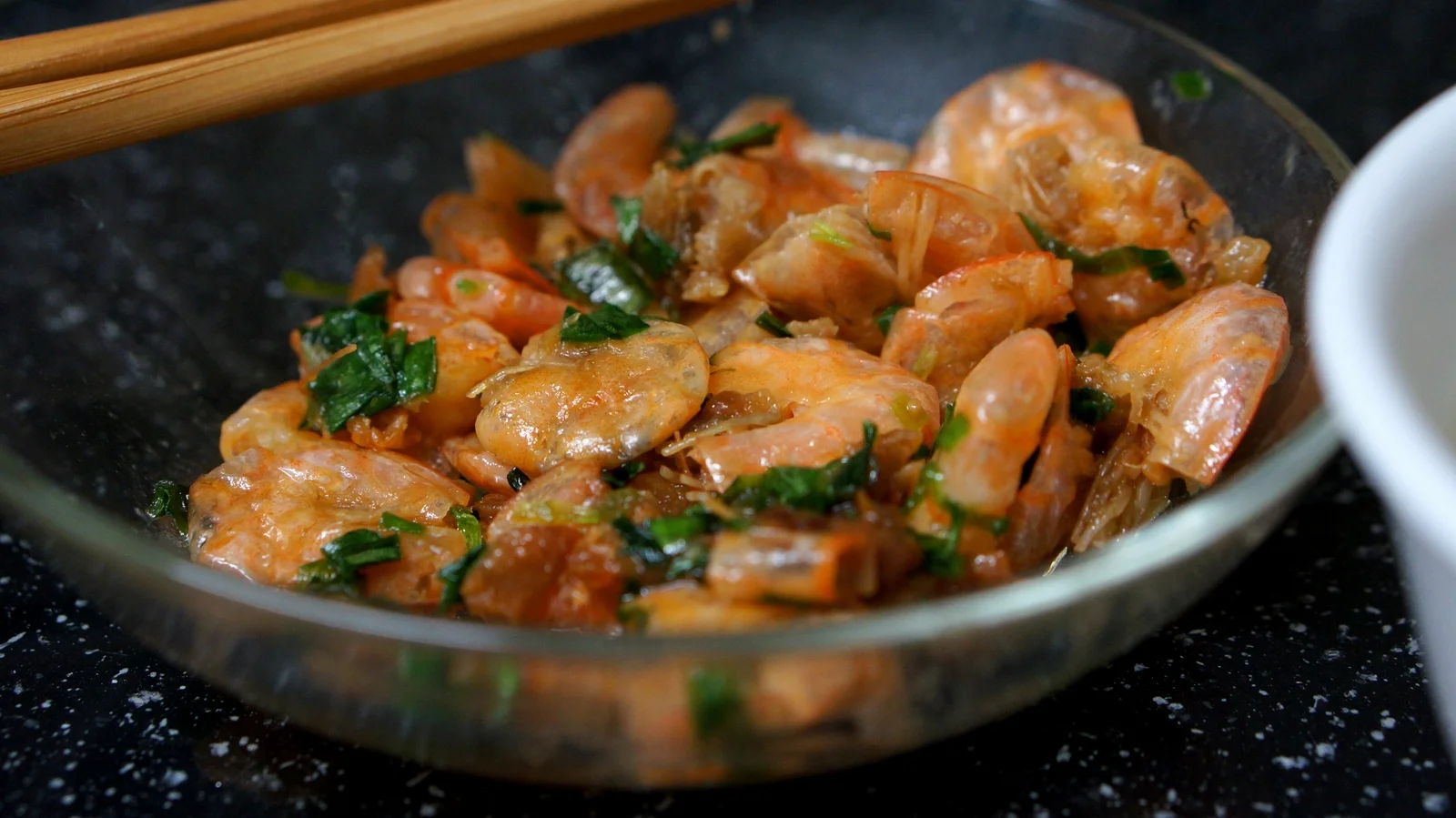
My current favorite comfort food from the Mom : crispy school prawns.
School prawns are small shrimp with sweet flesh and a very thin shell that crisps up very nicely when fried or sauteed.
Just remember these two phrases : 'eigo no menyu arimasu wa?' and 'osusume wa nandesuka?' which mean 'do you have an English menu?' and 'what do you recommend?' respectively.